Frequently Asked Questions
Who can join True Self Mastery classes?
Our classes are open to all women who are interested in personal development and enhancing their well-being. No prior experience is necessary.
What types of classes do you offer?
We offer a variety of classes, including mindfulness meditation, yoga, self-care workshops, and empowerment seminars.
How do I sign up for a class?
You can sign up for classes through our website. Simply browse our class schedule, select the class you're interested in, and complete the registration process online.
How long are the classes?
Class lengths vary, but most sessions are between 60 to 90 minutes. Check the specific class details on our website for exact timings.
Can I attend a class online?
Yes, we offer both in-person and online classes to accommodate different preferences and schedules. Online class details and login information will be provided upon registration.
What is the cost of the classes?
Class fees vary depending on the type and duration of the class. Please visit our website for detailed pricing information.
Is there a membership option?
Yes, we offer membership packages that provide discounted rates on classes and workshops. Membership details and benefits are available on our website.
What if I need to cancel a class?
We understand that plans change. Please refer to our cancellation policy on the website for details on how to reschedule or cancel your class.
Slow Down to Speed Up: What a Bolting Lusitano Taught Me About Trust
Have you ever felt like you're absolutely missing the mark?
We've all been there. You try harder, you push more, but the result seems to slip further and further away. There is a skill hidden in that pain and frustration, though. Every dark moment is an opportunity to reflect—provided we are willing to listen.
There is a saying I love: “A good student learns from a good teacher. A great student learns from anyone.”
In my experience, "anyone" often includes our most difficult horses.
The Lusitano Who Never Forgot
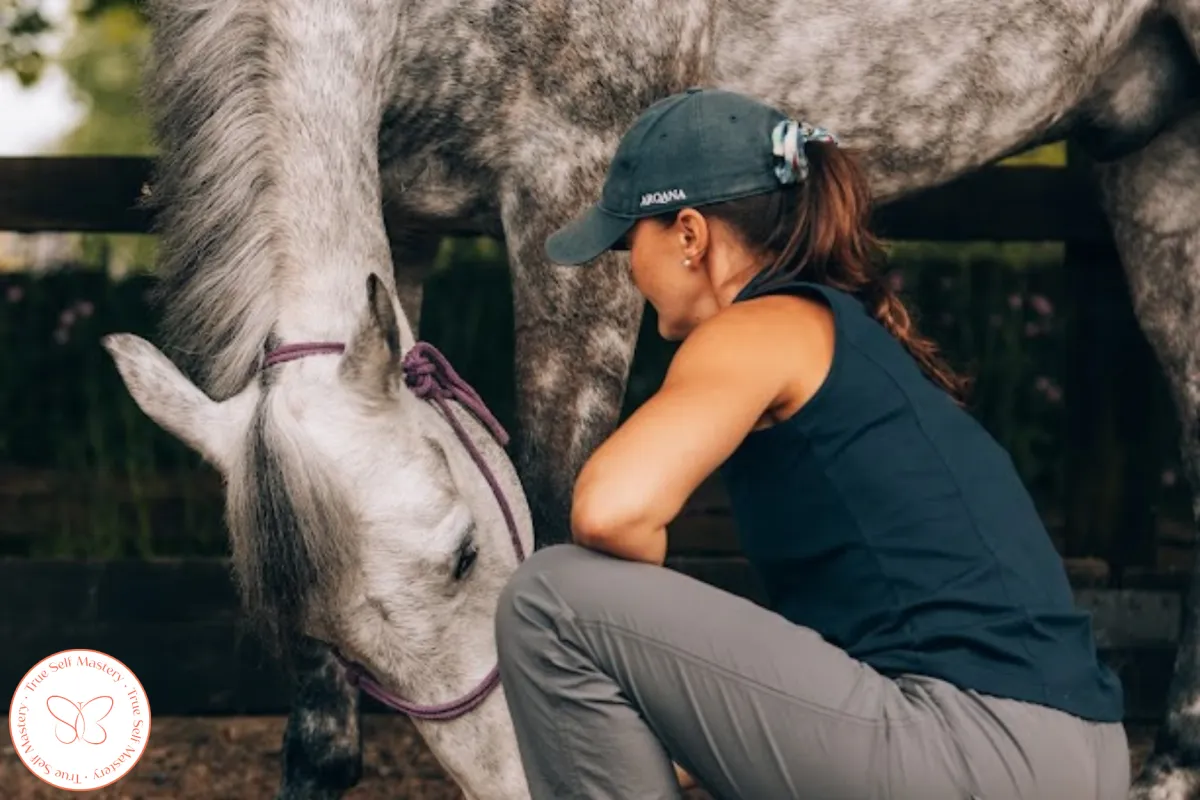
I recall a specific time I was working with a beautiful Lusitano. He was incredibly talented and bought specifically for Dressage, but he had a dangerous reputation for bolting.
I was asked to ride him because of my previous experience with behavioral horses. When I looked into his history, the root cause became clear. Horses are often “first-time learners”—they imprint heavily on their initial experiences. This horse had endured an extremely traumatic experience with a dummy rider early in his life. He never forgot it.
Here was the problem: His weakness wasn't his body. He was athletic and capable. His weakness was the relationship between the rider and his mind.
The Trap of "Tiring Him Out"
The common advice in these situations is often to "work them down." But I quickly realized that working him every day with the goal of making him tired was a waste of time.
He simply got stronger and fitter.
Given that his default mode was to bolt, creating a fitter, stronger bolter was definitely not a good strategy. I had to change my approach entirely. I had to stop working his body and start working his mind.
Building Trust Before Fitness
From the moment I walked into the stable, our communication started. My goal shifted from "training maneuvers" to building trust.
I stopped watching the clock and started watching the horse.
• Some days we worked for 5 minutes.
• Some days we worked for 25 minutes.
• I rode him less and focused entirely on our communication from the ground.
Was every day perfect? Definitely not.
I found myself feeling incredibly impatient. I battled my own beliefs about what was “acceptable” progress, and I felt the heavy pressure of expectation from the Owner and my boss.
The Counterintuitive Truth
Despite the pressure, the reality was undeniable: We actually both made more progress when we slowed down.
It feels so counterintuitive in today's fast-paced world, but the breakthrough didn't come from pushing through the frustration—it came from listening to it.
Over the years, I've noticed specific patterns that horses give us—observations that anyone can see and interpret if they know what to look for. I call these “Pause Signals.”
These signals are the key to knowing when to push and when to slow down, just like I did with that Lusitano.
Want the guide?
I've put together a specific guide on exactly how to spot these signals so you can improve your relationship with your horse.
Drop a comment with the word PAUSE below, and I'll send the guide over to you.