Frequently Asked Questions
Who can join True Self Mastery classes?
Our classes are open to all women who are interested in personal development and enhancing their well-being. No prior experience is necessary.
What types of classes do you offer?
We offer a variety of classes, including mindfulness meditation, yoga, self-care workshops, and empowerment seminars.
How do I sign up for a class?
You can sign up for classes through our website. Simply browse our class schedule, select the class you're interested in, and complete the registration process online.
How long are the classes?
Class lengths vary, but most sessions are between 60 to 90 minutes. Check the specific class details on our website for exact timings.
Can I attend a class online?
Yes, we offer both in-person and online classes to accommodate different preferences and schedules. Online class details and login information will be provided upon registration.
What is the cost of the classes?
Class fees vary depending on the type and duration of the class. Please visit our website for detailed pricing information.
Is there a membership option?
Yes, we offer membership packages that provide discounted rates on classes and workshops. Membership details and benefits are available on our website.
What if I need to cancel a class?
We understand that plans change. Please refer to our cancellation policy on the website for details on how to reschedule or cancel your class.
Clinical Thinking & Assessment:
A Systems Approach for Practitioners
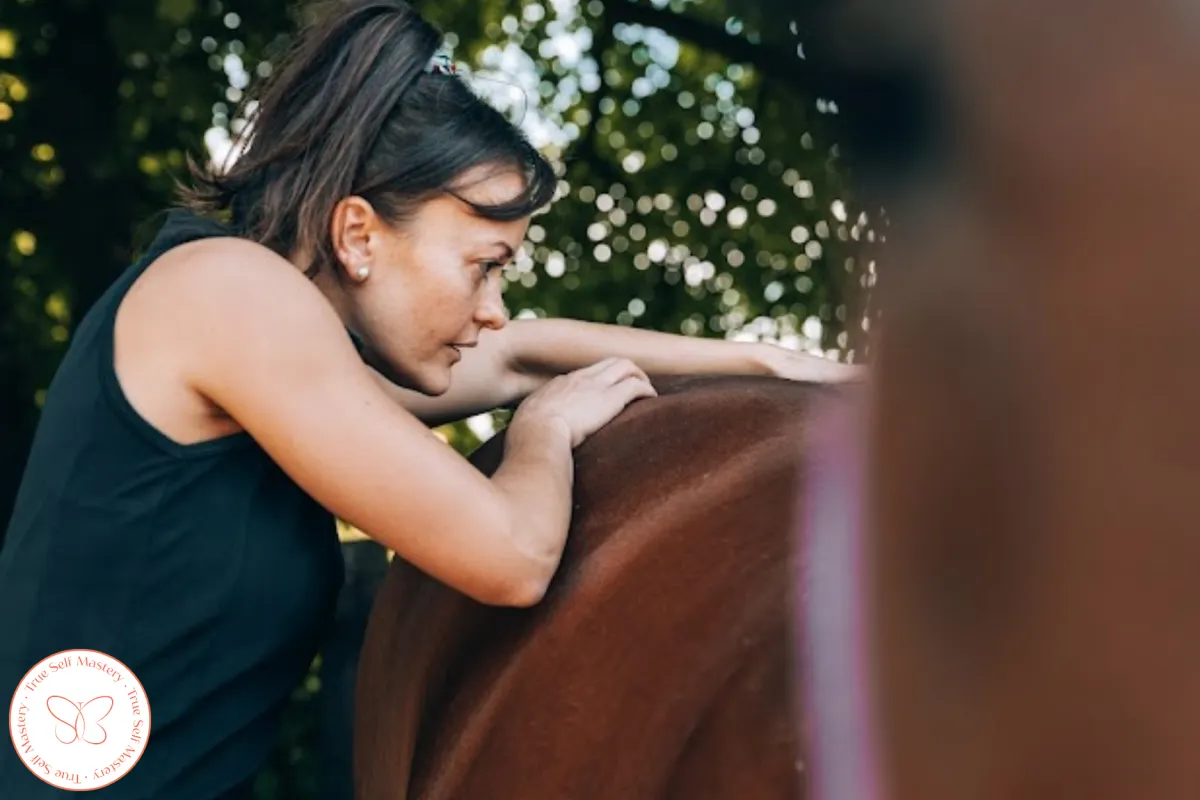
Many Equine practitioners feel confident in their hands-on work but less certain about building a complete clinical picture.
Especially in complex cases where what you can see on the surface connects to something much deeper in the body.
We’re hosting a 90-minute live online workshop designed specifically for Mctimoney chiropractors:
"Clinical Thinking and Assessment:
A Systems Approach for Equine Practitioners"
In 90 minutes you will learn:
* How to connect what you observe to what is really happening in the body, including factors like environment, management and movement history
* A proven practical framework for how environment, management and movement history connect to the injuries you are seeing in the treatment room
* A practical diagnostic framework you can use in your next session.
* How to explain complex findings to clients with confidence
Watch the recording here
Meet the Speakers
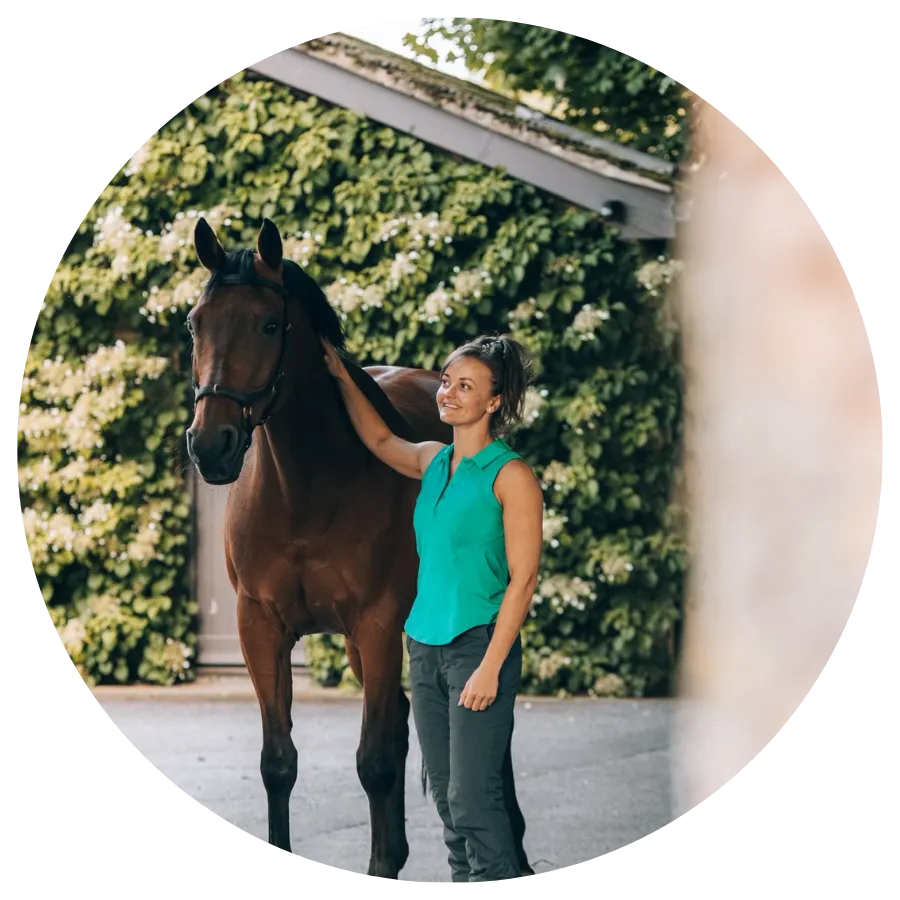
Nika Vorster, MSc
Nika Vorster is an internationally recognised equestrian performance specialist, NLP practitioner coach, and biomechanics expert with over thirty years of hands-on experience working with horses at the highest level.
A former flat jockey and GB MCI Dressage representative, Nika has competed, treated, and worked with horses and riders across Dubai, Asia, Australia, the United Kingdom, and Ireland, operating at Olympic level with high performing athletes. Her career spans every layer of the equestrian world, from grassroots horsemanship to elite international competition.
Combining three decades of practical expertise with advanced performance coaching and a Masters degree, Nika works with animal health practitioners and riders to sharpen clinical thinking, improve horse-rider performance outcomes, and develop practices that perform at the highest level.
Nika is the founder of The Rider Performance Code and the author of The Female Rider Code, due for publication in October 2026.