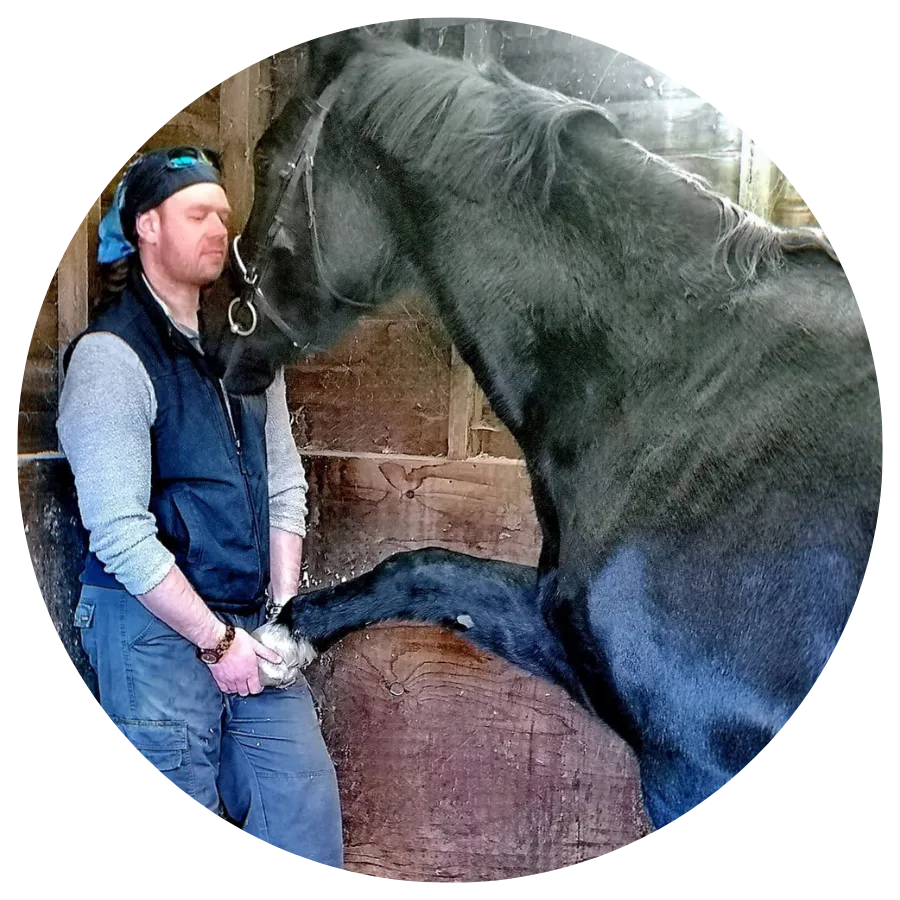
Saddle fit and what it’s really telling us: the cause, the compensator or the messenger?
A Systems Approach for Practitioners
It isn’t ours to fit, and yet we can’t ignore it. Bradley Whale and I give the reasoning and framework to tell the difference, and the language to raise it as an equal with the fitter, the vet and the rider.
We’ve all treated a back that felt better under our hands and was back in the same pattern a week later,
and it’s rarely because we treated it badly.
Sometimes the saddle is the problem, sometimes it’s compensating for one,
and sometimes it’s just the messenger. Telling the difference is what lets us speak up for the horse without stepping on anyone’s toes.
Live on Friday 30 October 2026, 6pm UK. 90 minutes, £29, with access to the full recording in our members area afterwards.
“The thoracic sling and Pelvic girdle webinars were fantastic.
This new way of assessing and measuring has transformed my treatments and client retention.”
Emily - Equine Physio
What we’ll cover live
Cause, compensator or messenger.
A practical framework for deciding whether the saddle is the problem, is compensating for one, or is signalling something elsewhere.
Why “it fits” isn’t the end of the story.
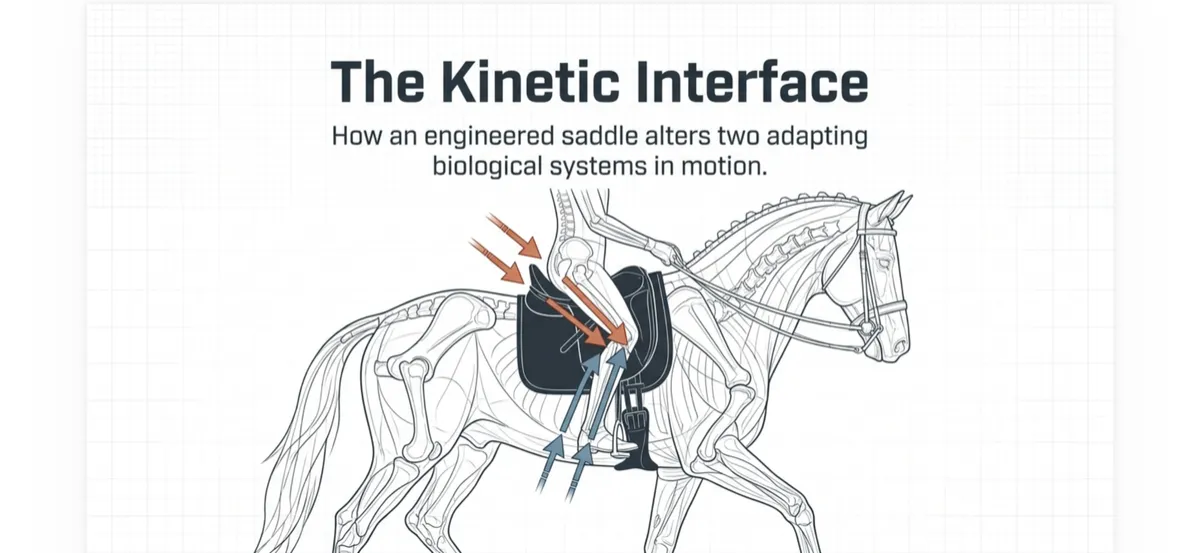
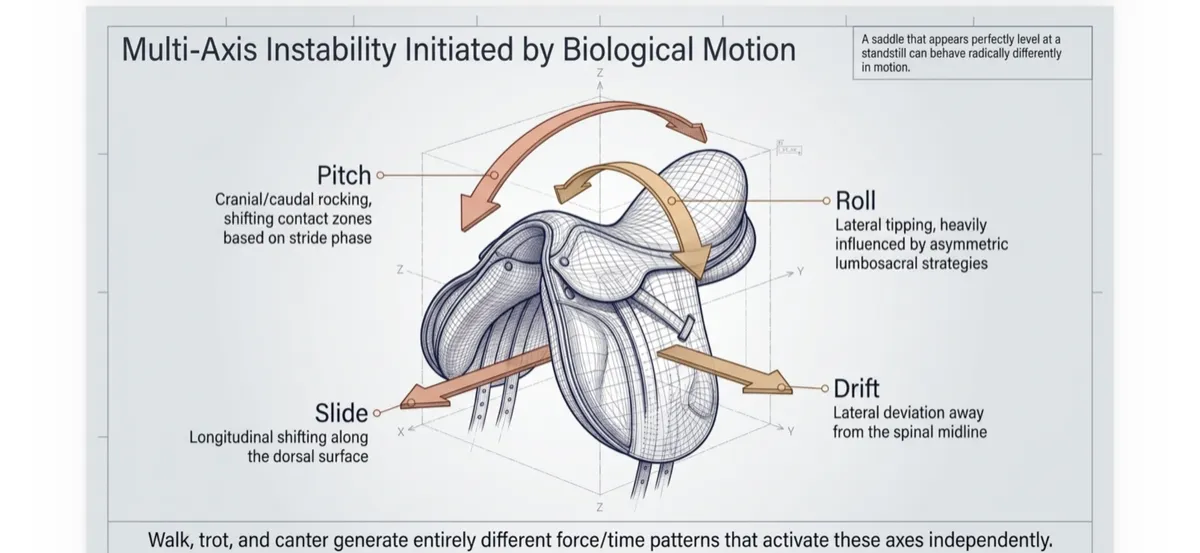
Why “medium-wide” isn’t a forever fit, why full contact doesn’t mean even pressure, and what bridging and rocking do once the horse is moving.
The rider is part of the saddle.
Why two riders of the same weight load the same saddle completely differently, and how the rider’s hip, pelvis and knee change what the horse feels underneath.
The saddle that slips left.
A real scenario, walked through step by step: is it the saddle, the horse or the rider, and what would rule each one out?
Speaking up as an equal.
A six-stage assessment we can use on any yard, and how to share what we’ve found with the fitter, the vet and the rider so everyone works together for the horse.
“I joined three webinars with Nika and Bradley, and honestly, as an equine practitioner with a pretty successful business, the information Nika and Bradley share is a game changer. I am now able to confidently speak to vets and other practitioners, things we are not taught whilst studying, and my business has doubled.”
Nikki- Equine Osteopath
Who it's for
Equine therapists, osteopaths, physiotherapists, chiropractors, veterinary professionals, rehabilitation practitioners, saddle fitters and trainers. No research background is needed.
Meet the Speakers
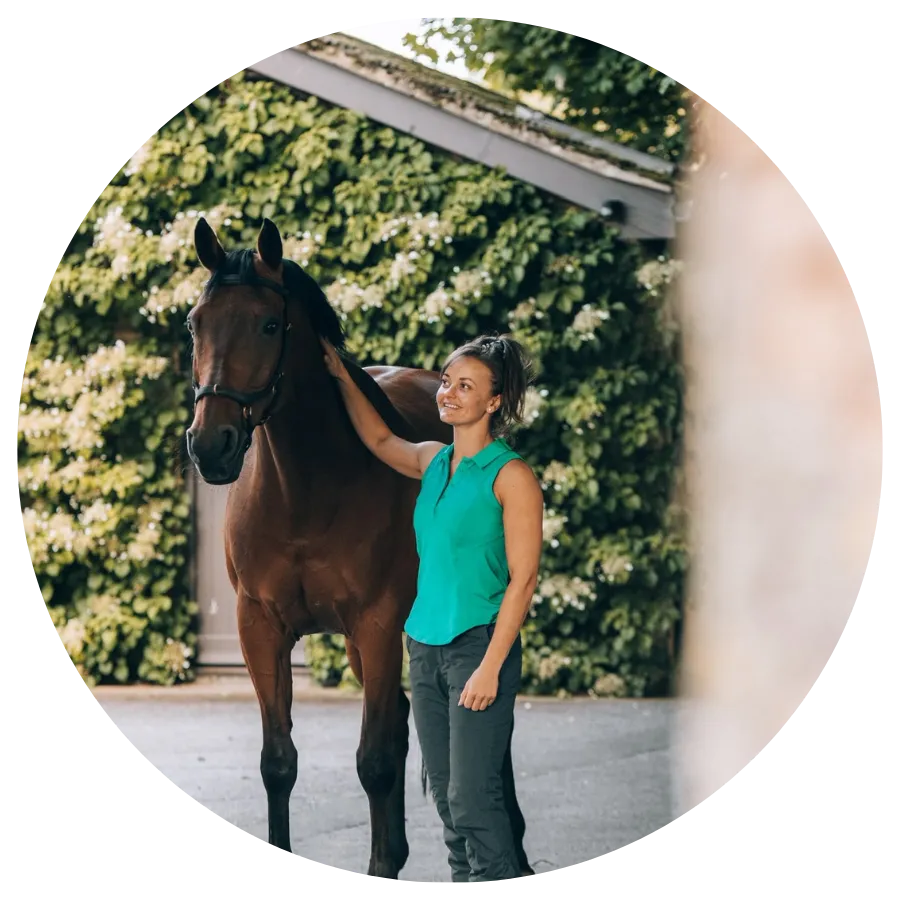
Nika Vorster, MSc
Nika Vorster is an internationally recognised equestrian performance specialist, NLP practitioner coach, and biomechanics expert with over thirty years of hands-on experience working with horses at the highest level.
A former flat jockey and GB MCI Dressage representative, Nika has competed, treated, and worked with horses and riders across Dubai, Asia, Australia, the United Kingdom, and Ireland, operating at Olympic level with high performing athletes. Her career spans every layer of the equestrian world, from grassroots horsemanship to elite international competition.
Combining three decades of practical expertise with advanced performance coaching and a Masters degree, Nika works with animal health practitioners and riders to sharpen clinical thinking, improve horse-rider performance outcomes, and develop practices that perform at the highest level.
Nika trained to Masters level at the McTimoney College in Oxfordshire, is registered with AHPR, and works alongside the vet, trainer and farrier as part of the horse’s whole team.